
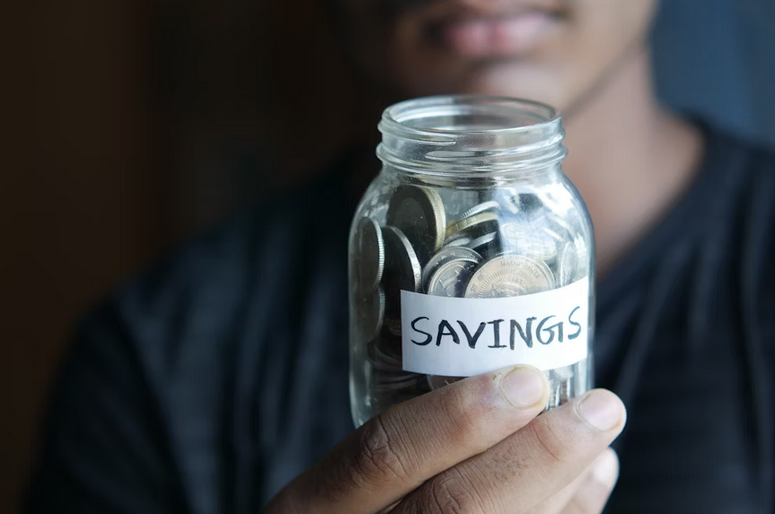
Money talks, but saving it speaks even louder in today’s economy. With inflation hitting wallets harder than a sledgehammer on concrete, finding ways to stretch your dollars has become essential. The good news? Smart savers are discovering fresh strategies that work. These aren’t your grandmother’s penny-pinching tricks—they’re modern approaches that fit real life. One powerful tool gaining traction is NaviCoupon, a platform packed with online coupons and deals to help you save instantly.
Ready to transform your financial future without feeling deprived? Let’s dive into four game-changing methods that could revolutionize your bank account.
Embrace the Power of Subscription Auditing
Your monthly subscriptions are bleeding you dry, and you probably don’t even realize it. Most people have forgotten about half the services they’re paying for monthly. That fitness app you downloaded during your New Year’s resolution phase? Still charging you $15 monthly. The streaming service you tried once? Another $12 vanishing from your account. Start by gathering every bank and credit card statement from the past three months. Hunt down every recurring charge like you’re a detective solving a case. Cancel anything you haven’t used in the last 60 days—no exceptions, no “but I might use it later” excuses. Consider sharing family plans with relatives or friends to split the costs of services you value.
Master the Art of Strategic Meal Planning
 Grocery bills have gone through the roof, but smart meal planning can slash your food expenses by 40% or more. Instead of wandering the aisles like a lost tourist, create a weekly menu before you shop. Check store flyers and plan meals around sale items—your wallet will thank you later.
Buy ingredients that work across multiple meals rather than single-use specialty items. Cook larger portions and freeze leftovers in single-serving containers for busy weeknights. Shop with a full stomach and a strict list to avoid impulse purchases that derail your budget. Generic brands often taste identical to name brands but cost 30% less, so give them a fair shot.
Leverage Technology for Automatic Savings
Your smartphone can become your personal finance assistant if you let it. Set up automatic transfers to move small amounts from checking to savings every week—even $25 adds up to over $1,300 annually. Use apps that round up purchases and save the spare change digitally. Many banks offer high-yield savings accounts that earn 4-5% interest instead of the measly 0.01% from traditional accounts. Create separate savings buckets for different goals like vacation, car repairs, or holiday gifts. Schedule these transfers right after payday so the money disappears before you can spend it. Think of it as paying your future self-first—because that person deserves financial security too.
Adopt the 24-Hour Purchase Rule

Impulse buying is the enemy of every budget, lurking around every corner like a financial predator. Before purchasing anything over $50 that isn’t necessary, force yourself to wait a full day. Write down what you want to buy and why you want it, then revisit those notes tomorrow. Often, that burning desire fades faster than yesterday’s coffee. For larger purchases over $200, extend the waiting period to a full week. During this cooling-off period, research alternatives read reviews, and compare prices across different retailers. Ask yourself tough questions: Will this item genuinely improve your life six months from now? Can you borrow, rent, or buy it used instead? This simple pause prevents countless regrettable purchases that would otherwise drain your savings.
Saving money doesn’t require extreme measures or living like a hermit. These four strategies work because they address the biggest budget drains most people face: forgotten subscriptions, food waste, missed opportunities for growth, and impulse spending. Start with whichever method feels most manageable for your situation. Small changes compound over time, creating significant financial improvements within months. Your future self will appreciate every dollar you save today, and your stress levels will drop as your bank balance grows. Take action on at least one of these strategies this week—your wallet is waiting.…

 Having a skincare routine also plays an essential role in maintaining healthy skin. Our skin is the largest organ of our body and acts as a protective barrier against external factors such as pollution, UV rays, and harmful chemicals. Therefore, taking care of your skin should be a top priority. A proper skincare routine can prevent premature aging signs such as wrinkles, fine lines while improving the texture and firmness of your skin. It can also prevent common issues like acne breakouts, blackheads or whiteheads.
 Creating an effective skincare routine is essential for maintaining healthy and youthful-looking skin. Here are some tips to follow when developing your own routine. Firstly, identify your skin type to determine which products will work best for you. This can include cleansers, toners, moisturizers, and serums. Next, consider the specific concerns you want to address with your skincare routine. Are you looking to target fine lines and wrinkles? Acne? Dark spots or hyperpigmentation?

 The fear that other people might be judging you can be a major cause of public speaking anxiety. It’s natural to be concerned about what others think of us, but it can lead to intense anxiety and self-doubt when that concern becomes overwhelming. This fear of judgment is so powerful as we commonly put a lot of pressure on ourselves to perform well in front of an audience.
 One advantage of hiring a professional genealogist is that they have access to a lot of resources that you don’t. Professional genealogists usually have their own research teams and connections in other organizations, meaning they can find valuable information much faster than the average person. Many people make the mistake of thinking they can research on their own. But in reality, tracking down documents and other sources that you may need for your research takes a lot of time and energy.